
Many people assume dishwashers clean themselves, but over time, food particles, grease, soap residue, and mineral buildup collect inside the machine.
If a dishwasher is not cleaned regularly, it can cause odors, poor cleaning performance, and even damage internal components.
This guide explains exactly how to clean a dishwasher properly, including the filter, interior, and spray arms, using simple methods that keep your appliance running efficiently.
Why Cleaning Your Dishwasher Is Important
Dishwashers handle dirty dishes daily, which means residue builds up in hidden areas. Even if dishes look clean, grime can accumulate behind the scenes.
Regular dishwasher cleaning helps:
- Improve washing performance
- Eliminate unpleasant odors
- Prevent clogs and drainage issues
- Extend the lifespan of the appliance
How Often Should You Clean a Dishwasher?
For most households, a light cleaning once a month is sufficient.
If your dishwasher is used frequently or handles heavily soiled dishes, cleaning it every two to three weeks is recommended.
How To Clean a Dishwasher Step by Step
Step 1: Empty the Dishwasher
Remove all dishes, utensils, and racks if possible. This gives you full access to the interior components that need cleaning.
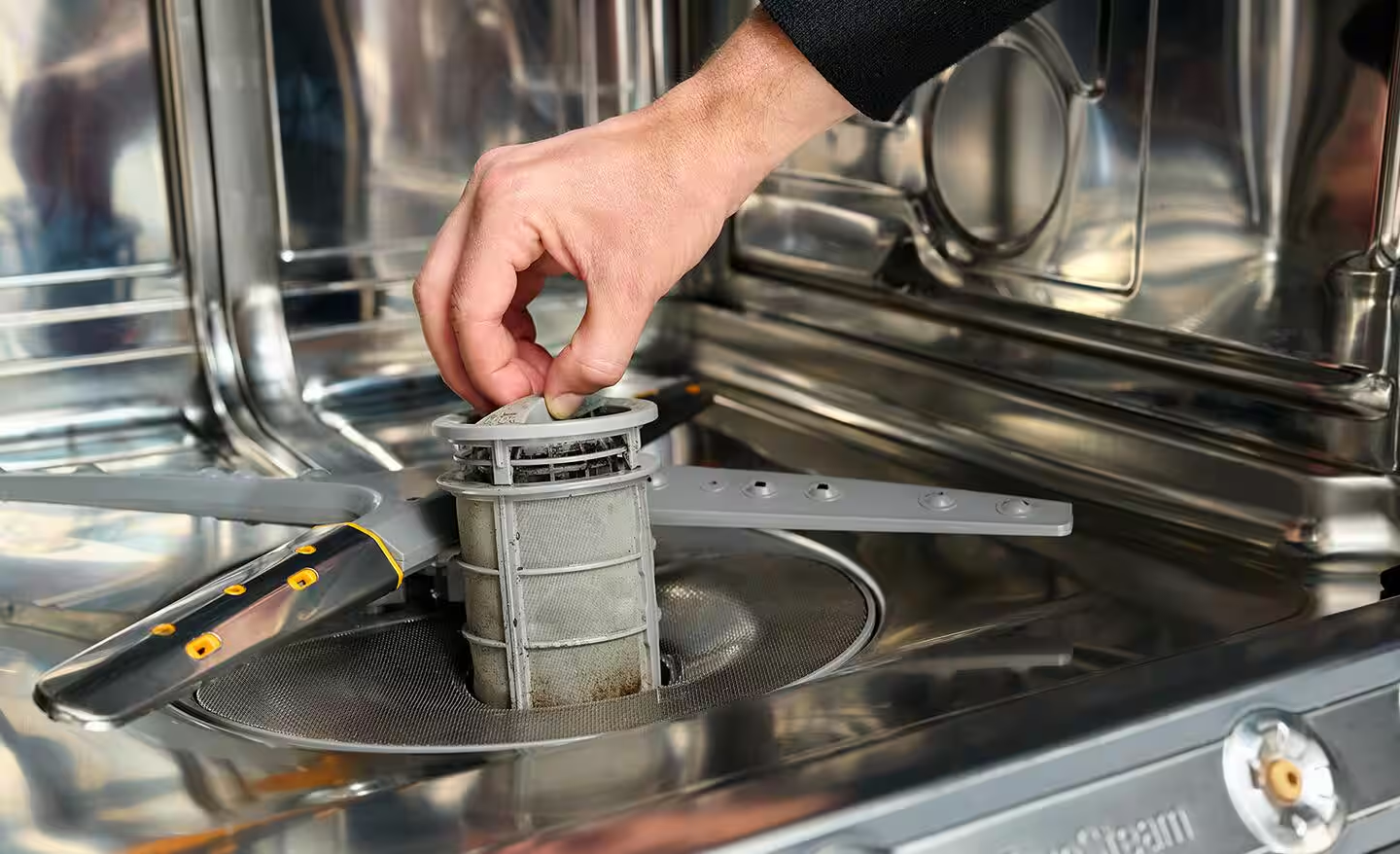
Step 2: Clean the Dishwasher Filter
The filter traps food particles and debris. Over time, it can become clogged and cause drainage problems.
Remove the bottom rack and locate the filter, usually found at the base of the dishwasher. Twist and lift it out, then rinse it under warm water.
Use a soft brush or toothbrush to gently scrub away grease and debris. Avoid using abrasive pads that could damage the filter.
Step 3: Clean the Spray Arms
Spray arms distribute water throughout the dishwasher. Small food particles can block the spray holes.
Remove the spray arms if your model allows. Use a toothpick or small brush to clear clogged holes, then rinse thoroughly.
Step 4: Clean the Interior Walls and Door
Wipe down the interior walls, door edges, and rubber gasket with a damp cloth.
Pay close attention to corners and seams where residue collects.
For stubborn grime, use a mixture of warm water and mild dish soap. Avoid harsh cleaners that could damage the interior finish.
How To Clean a Dishwasher With Vinegar
Vinegar is one of the most effective natural cleaners for dishwashers.
It helps dissolve grease, remove mineral buildup, and neutralize odors.
Place a dishwasher safe cup filled with white vinegar on the top rack.
Run a hot water cycle without dishes or detergent.
This method cleans the interior and flushes residue from internal components.
How To Clean a Dishwasher With Baking Soda
After running a vinegar cycle, sprinkle one cup of baking soda across the bottom of the dishwasher.
Run a short hot water cycle.
Baking soda helps deodorize the dishwasher and remove lingering stains.
How To Deep Clean a Dishwasher
If your dishwasher has strong odors or buildup, a deep cleaning may be necessary.
Start by cleaning the filter and spray arms, then run a vinegar cycle followed by a baking soda cycle.
Finish by wiping down all interior surfaces.
Deep cleaning once every three to six months keeps the dishwasher operating at peak performance.
Common Dishwasher Cleaning Mistakes to Avoid
- Skipping filter cleaning
- Using bleach in stainless steel dishwashers
- Mixing vinegar and baking soda together
- Ignoring door seals and edges
- Running cleaning cycles with dishes inside
Signs Your Dishwasher Needs Cleaning
Watch for these warning signs:
- Cloudy or dirty dishes after a cycle
- Unpleasant smells when opening the door
- Standing water at the bottom of the dishwasher
- White residue on glassware
Final Thoughts
Knowing how to clean a dishwasher properly improves performance, prevents odors, and extends the life of your appliance.
By cleaning the filter, spray arms, and interior regularly, and using simple ingredients like vinegar and baking soda, you can keep your dishwasher running efficiently for years to come.